
Planning a Whole-Home Remodel in Carmel? Here’s What to Expect

June 30, 2025
A man is sanding a ceiling with a sander.

For homeowners in Carmel, Indiana, and nearby areas like Zionsville and Greenwood, a whole-home remodel can be one of the most rewarding projects you undertake. Whether your goal is to update a dated layout, restore a historic property, or expand your living space for a growing family, a full-home renovation has the potential to dramatically improve both your lifestyle and your property’s value.

However, a project of this scale requires more than just inspiration—it demands careful planning, expert guidance, and an understanding of what to expect from start to finish. This guide walks you through each stage of the remodeling process and outlines how to prepare for a successful transformation.

What Is a Whole-Home Remodel?

A whole-home remodel refers to a comprehensive renovation that involves updating or reconfiguring multiple areas of your home. Unlike a single-room renovation, this type of project typically affects the majority—or even all—of your living space. Depending on your goals, a full-home remodel may include:

  • Redesigning key areas such as the kitchen, bathrooms, and bedrooms
  • Changing the interior layout by removing walls or expanding rooms
  • Replacing outdated flooring, cabinetry, countertops, and finishes
  • Upgrading core systems like plumbing, electrical, and HVAC
  • Adding square footage through extensions or converting unused areas

This level of remodeling enables homeowners to tailor their home’s function, flow, and aesthetic to better suit their current needs and preferences.

What to Expect During the Remodeling Process

Every whole-home remodel is unique, depending on the property's size, the scope of changes, and the home's existing condition. However, most renovations follow a similar sequence of phases. Understanding these steps can help you manage expectations and stay informed throughout the process.

Initial Consultation and Design Planning

The process begins with a consultation between the homeowner and the remodeling team. During this stage, you will discuss your renovation goals, lifestyle needs, design preferences, and budget. Designers and architects may visit your home to assess the existing layout and begin developing floor plans and visual concepts that align with your vision.

Permitting and Pre-Construction Preparation

Once the design is finalized, your remodeling team will begin securing the necessary permits from your local municipality. This step ensures that all planned work complies with building codes and zoning regulations. At the same time, the team will finalize the construction schedule, coordinate subcontractors, and order the required materials.

Demolition and Structural Framing

With permits in place, the remodeling team will start by removing outdated fixtures, finishes, and structural elements that no longer serve your needs. Depending on the project scope, this may include tearing down walls, gutting rooms, or clearing space for new additions. Once demolition is complete, framing work begins to define new layouts and build any added rooms or structural changes.

Installation of Mechanical Systems

The next phase focuses on the installation or upgrading of your home’s core systems. Licensed professionals will handle electrical wiring, plumbing lines, HVAC ducts, and any other infrastructure behind the walls. This stage ensures your home will meet modern efficiency standards and function reliably for years to come.

Interior Finishes and Fixtures

Once the mechanical systems are in place, your home begins to take shape visually. New flooring, cabinetry, countertops, lighting fixtures, and paint are installed according to your design plan. This is often the most exciting phase for homeowners, as they start to see their design choices come to life in real time.

Final Touches and Homeowner Walkthrough

After all major construction is complete, your remodeling team will address any remaining items on the project punch list. This may include fine-tuning finishes, resolving minor imperfections, and performing a final deep clean. You will then conduct a walkthrough with the contractor to ensure every detail meets your expectations before officially completing the remodel.

Why Hiring a Local Expert Matters

A successful whole-home remodel depends heavily on the experience and reliability of your contractor. Partnering with a local company ensures that your remodeling team is familiar with the specific requirements of working in communities like Carmel, Zionsville, and Greenwood. This includes understanding local building codes, navigating the permitting process efficiently, and sourcing materials suited to Indiana’s climate and architectural styles.

At Urbane Upgrade, we offer comprehensive remodeling solutions tailored to homeowners in Central Indiana. Our team handles every stage of the process—from initial design concepts to final walkthroughs—with professionalism, transparency, and craftsmanship. We specialize in creating spaces that not only look beautiful but also function well for the families who live in them.

Schedule Your Consultation with Urbane Upgrade

If you're ready to explore the possibilities of a whole-home remodel in Carmel or the surrounding area, we’re here to help. Contact Urbane Upgrade today to schedule a consultation. We’ll take the time to understand your vision, offer expert recommendations, and create a remodeling plan that brings your dream home to life.
January 16, 2026
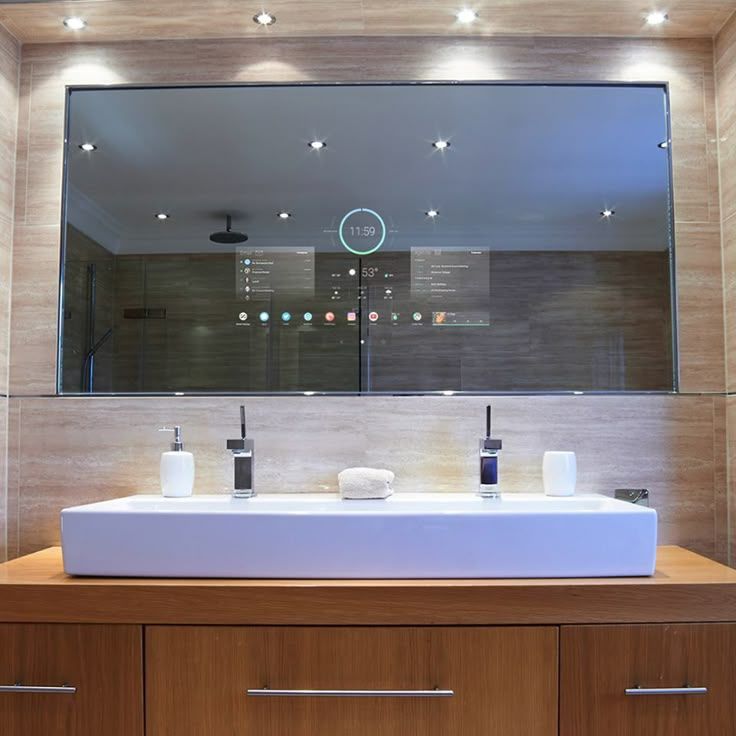
Why space-smart upgrades matter in Indy neighborhoods Compact bathrooms are common in Broad Ripple bungalows, Meridian-Kessler foursquares, Nora ranches, and Carmel Midtown townhomes. A smart plan can make a small bath feel open, bright, and easier to use without a full gut job. Below are proven ideas that fit Indianapolis homes and nearby suburbs, with local permitting notes and links you can check. Bathroom Remodel Custom Tiling Shower Tiles Indianapolis Bathroom Permits & Inspection Checklist Local, non-competing outbound resources for readers: Indianapolis Residential Development Permits Carmel Residential Permits Fishers Permitting and Inspections portal Hamilton County permits information Walk-in showers that open the room A low-threshold walk-in shower instantly frees floor space that a tub takes up and removes visual barriers. For Broad Ripple cottages where baths were added decades ago, converting a dated alcove tub to a curbless or low-curb shower helps with access and makes the room feel larger. Use a single pane of clear glass or a frameless slider to keep sightlines open. Tile choice matters in small showers. Large rectangular wall tiles minimize grout lines and look calm. Add a recessed niche instead of a shelf to keep bottles off counters and out of the walkway. Pair a light grout tone with light tile for an airy look, or match grout to the tile for a more seamless wall. Explore options and photos on your Shower Tiles page. Wall-hung vanities for more floor and storage A wall-hung vanity makes a compact bath feel bigger by exposing more floor tile. The floating effect also aids cleaning. For Meridian-Kessler and Nora homes, pick a vanity width that matches your layout, then add: Deep drawers with organizers for daily items An integrated outlet inside a drawer for hair tools A shallow auxiliary cabinet if you have a blank wall near the door When you float the vanity, run the same floor tile underneath. That visual continuity reads as more square footage. Local note: If you are moving plumbing, expect to pull permits. Check the Indianapolis permit guidance, and Carmel or Fishers resources if you’re north of 96th Street. Large-format tiles make small rooms feel larger In compact bathrooms, large-format floor and wall tiles reduce visual clutter. A 12x24 or 24x24 porcelain tile laid in a simple pattern keeps the eye moving. Floor pattern: Straight or third-offset. Avoid busy mosaics across the entire floor. Shower walls: Run large tiles vertically to make ceilings feel taller in older Indy homes. Grout: Match color to tile for a seamless canvas. See tile ideas that fit this approach: Custom Tiling overview Floor Tiles page Light colors that reflect more daylight Light paint and tile bounce light around the room and photograph well for listings. For Broad Ripple and Meridian-Kessler baths with limited windows: Use soft white or warm gray on the walls. Choose light oak or white finishes for vanities. Add a high-CRI LED vanity fixture and recessed lighting rated for damp locations. If you want contrast, keep it to one accent like a matte-black faucet or pulls. Mirrors and mirrored storage that pull double duty Mirrors do more than reflect faces. They reflect light and extend sightlines, which makes a compact layout feel larger. Consider: Recessed mirrored medicine cabinets for storage without a bulky profile A full-width mirror over a single-sink vanity to expand the visual width LED back-lit mirrors when wall sconces do not fit next to the medicine cabinet Pocket and barn-style doors to save swing space Door swing eats into a small bathroom. A pocket door reclaims clearance and improves flow, especially in narrow hall baths in Carmel townhomes and Fishers newer builds. If a pocket door will conflict with plumbing or wiring, consider an on-wall barn-style door with soft-close hardware. Use solid-core doors for better sound control. Choose lever handles for easier grip. Permitting reminder: Structural changes or moving electrical or plumbing can trigger permits. Point readers to the right office: Indianapolis residential permits, Carmel residential permits, and Fishers permitting portal. Neighborhood snapshots and layout ideas Broad Ripple Older bungalows often have a tight tub alcove and a single window. Swap the tub for a low-curb shower, float a 24–36 inch vanity, and run one large format tile from floor into the shower for a cohesive look. Add a clear glass panel and a recessed niche to keep things tidy. Meridian-Kessler Many homes have taller ceilings. Run vertical tile to emphasize height and use a full-width mirror above a single sink to boost the sense of space. If the door pinches the vanity, convert to a pocket door. Nora Ranch homes can feel dark in the center. Choose a light palette on walls and tile, then add an LED back-lit mirror. A floating vanity plus under-cabinet lighting creates the appearance of more floor area. Carmel Midtown townhomes Maximize storage with recessed medicine cabinets and a shallow linen cabinet over the toilet. Pocket doors work well in these plans since walls are often straight and free of plumbing in the pocket path. Confirm permit needs with Carmel’s residential permits page. Fishers Many newer homes have decent footprints but tight toilet or shower clearances. Go with a frameless slider for the shower and a wall-hung vanity to improve movement. If you plan to relocate plumbing, check Fishers’ OpenGov permitting portal or Hamilton County’s information pages. Quick planning checklist for a small bathroom remodel in Indianapolis Measure the existing clearances and door swing. Decide whether you will keep the tub or convert to a walk-in shower. Pick one large-format tile for the floor and shower walls, then one accent at most. Choose a wall-hung vanity with drawers and plan for an outlet inside. Map mirror storage and lighting early so studs and wiring land in the right spot. Confirm whether permits apply if you move plumbing, add circuits, or alter structure. Use these links for guidance: Indianapolis, Carmel, Fishers, and Hamilton County. Schedule work to minimize downtime and keep one bathroom usable if possible.
January 3, 2026
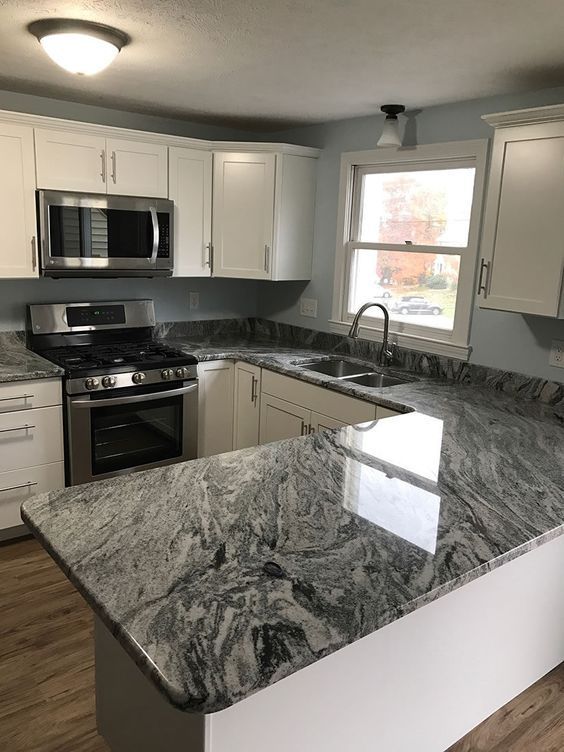
Planning a kitchen remodel on the north side of Indianapolis? Whether you live in Meridian-Kessler, Broad Ripple, Nora, Downtown Carmel, Village of WestClay, Saxony (Fishers), Downtown Zionsville, or Old Town Noblesville, understanding cost ranges, timelines, and local permit requirements will help you plan confidently and avoid surprises. This guide breaks down realistic Indianapolis kitchen remodel cost 2026 expectations, what drives pricing, how long each phase typically takes, and how homeowners in Carmel, Fishers, Westfield, Zionsville, and Noblesville can stay on budget.
January 1, 2026
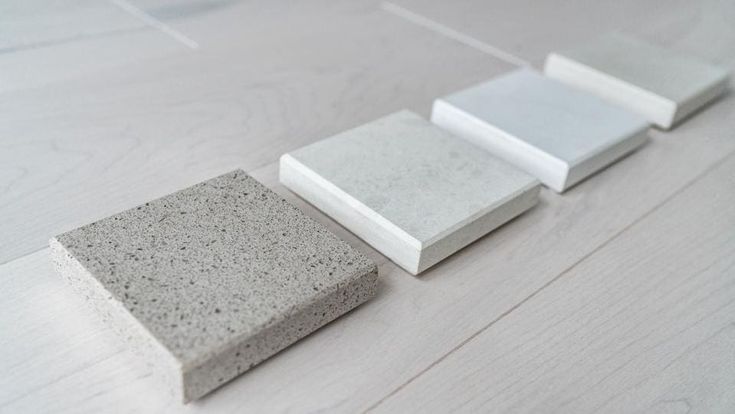
Picture yourself walking into a brand-new kitchen in Carmel or Fishers. What usually grabs your eye? For many people, it’s those smooth, shiny countertops. If you’re remodeling your kitchen on the north side of Indy, the biggest decision might come down to quartz vs granite for your countertops.  With so many choices now in Carmel, Fishers, Westfield, Zionsville, and Noblesville, how do you know which material really fits your space, style, and budget? Urbane Upgrade’s team helps homeowners make sense of the options every week. Here’s what local folks want to know.
More Posts