
Quartz vs. Granite Countertops in Indianapolis: Pros, Cons, and Costs
January 1, 2026
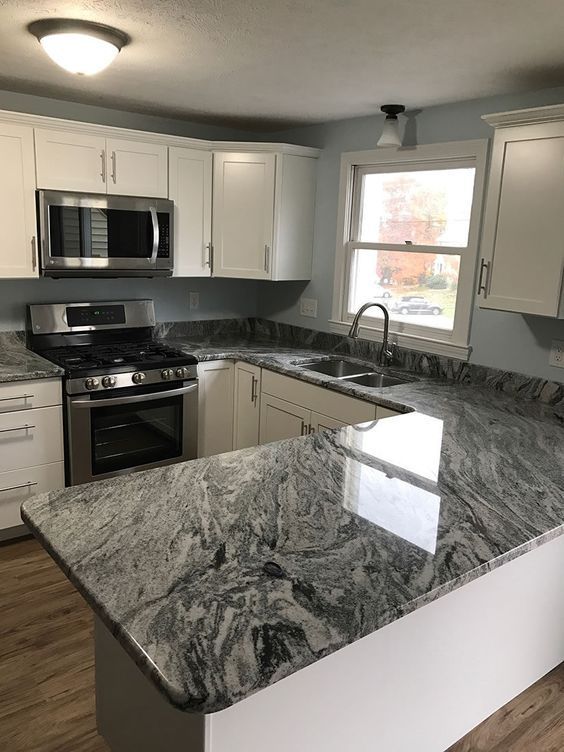
Kitchen backsplash with a sink, dishwasher, cabinets, and stove.

Picture yourself walking into a brand-new kitchen in Carmel or Fishers. What usually grabs your eye? For many people, it’s those smooth, shiny countertops. If you’re remodeling your kitchen on the north side of Indy, the biggest decision might come down to quartz vs granite for your countertops.


With so many choices now in Carmel, Fishers, Westfield, Zionsville, and Noblesville, how do you know which material really fits your space, style, and budget? Urbane Upgrade’s team helps homeowners make sense of the options every week. Here’s what local folks want to know.

Request a free on‑site consultation »

How Quartz and Granite Are Made


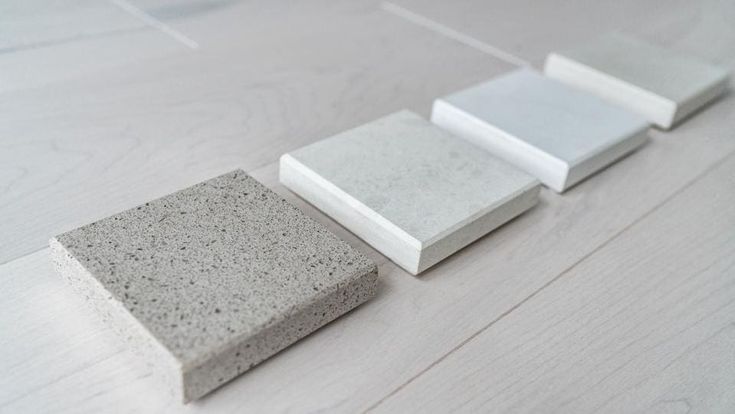
Quartz countertops, sometimes called engineered stone, are made in factories. Crushed natural quartz crystals are mixed with strong resin and sometimes recycled glass or pigments. This creates a hard, non-porous surface.

Granite countertops come directly from the earth. Large slabs are cut from stone quarries, then polished and shaped to fit your kitchen. No two granite slabs are exactly alike.


Appearance: Style for Northside Homes


Homeowners in Zionsville and Westfield often ask about color consistency. Quartz offers a uniform look, making it easy to keep countertops the same shade throughout the kitchen. Patterns can resemble marble, concrete, or bold modern colors, making quartz versatile for many design styles.


Granite features natural movement and veining formed in the stone itself. If you want a one-of-a-kind look or a statement island, granite’s variation can be a great choice. It works well in Noblesville’s historic homes as well as modern kitchens in Fishers.


Durability and Strength: What Holds Up in Busy Kitchens


Both granite and quartz are durable enough for daily use in Indianapolis-area homes. Quartz resists scratches well, while granite is also very strong but may chip on edges if heavy objects are dropped.


Quartz is non-porous, so liquids do not soak in easily, making stains uncommon. Granite is naturally porous, but with proper sealing once a year, it is also highly stain resistant.


Maintenance: What Is Easier to Live With


Quartz is low maintenance. Warm soapy water and a soft cloth are usually all that is needed, and no sealing is required.

Granite needs to be resealed every one to two years, depending on use and stone type. Many homeowners handle this themselves using a simple sealing kit. For both materials, avoid abrasive cleaners and harsh chemicals.


Heat Tolerance: Can You Set Hot Pans Down


Granite handles heat better than quartz. A hot pan can be placed on granite briefly, though trivets are still recommended.

Quartz can discolor or become damaged if exposed to high heat directly from cookware. Using heat pads or trivets is the safest option for both materials.


Seams and Edges: What to Expect


Most kitchens require seams, especially with larger layouts or custom designs. Quartz’s consistent pattern helps seams blend in, which works well in open-concept kitchens common in Fishers and Zionsville.


Granite seams can be more visible, particularly with bold veining. Skilled installation helps minimize their appearance. Urbane Upgrade places seams carefully in less noticeable areas whenever possible.


Price Ranges and Indianapolis Countertop Costs


Pricing depends on color, pattern, thickness, and installation details.

Granite typically ranges from $60 to $110 per square foot installed.
Quartz usually falls between $70 and $120 per square foot installed.

Exotic stones, specialty edges, tear-out, plumbing work, and backsplashes can increase costs.


Tip: Ask about slab remnants for smaller areas like bathrooms or laundry rooms to save money.


Local Sourcing and Indianapolis Area Vendors


Both quartz and granite can be sourced locally in central Indiana. Viewing full slabs in person helps avoid surprises. Many suppliers near Westfield and Noblesville allow walk-ins and offer locally fabricated materials, which can shorten project timelines.


Environmental Considerations in Carmel, Fishers, and Zionsville


Quartz production uses energy and resins but often includes recycled materials. Granite is natural but requires quarrying and transportation. Homeowners focused on sustainability can ask about locally quarried stone or environmentally certified quartz options.


What Northside Homeowners Should Ask Their Countertop Contractor


Before choosing a contractor, ask:


Do they fabricate and install in-house or subcontract?
Are they familiar with local building codes and design styles?
Can they show completed projects in Carmel, Fishers, or Noblesville?

Urbane Upgrade is known across northside Indianapolis for thoughtful design and smooth project execution.


Countertop Care Tips for Indianapolis Kitchens


Wipe spills quickly, especially wine or coffee
Use cutting boards to protect surfaces and knives
Clean with mild dish soap and soft cloths only
Seal granite as recommended and follow quartz care guidelines


Costs and Timelines for Kitchen Remodels


Most northside kitchen projects take about two to three weeks from demolition to final installation once materials are selected. Special-order slabs can extend timelines. Urbane Upgrade provides clear expectations when you request a quote.


Ready to Start? Get Help from a Local Team


Whether you’re focused on easy care, bold style, or stretch-your-dollar value, quartz and granite both shine in Indianapolis kitchens. To see options in person or get a budget range for your project,
book a visit with Urbane Upgrade today. Serving Carmel, Fishers, Westfield, Noblesville, Zionsville and all of north Indy.


Get Started
  • Which is better for resale value in Carmel, granite or quartz?

    Both help boost appeal. In northside Indy, buyers appreciate updated, easy-care counters. Quartz is trendier, granite is still classic.

  • Do I need to seal my new countertops?

    Quartz does not need sealing. Granite needs annual sealing to keep stains out.


  • Will seams be visible?

    Most kitchens have seams, especially for large islands. Quartz hides them a bit better due to uniform color.

  • Can I put hot pans on my new countertops?

    Granite is more heat-tolerant; quartz can scorch. Use trivets or pads for both to keep surfaces in good shape.


  • Is installation messy?

    There can be noise and dust, but good contractors like Urbane Upgrade keep it contained and clean up each day.
January 16, 2026
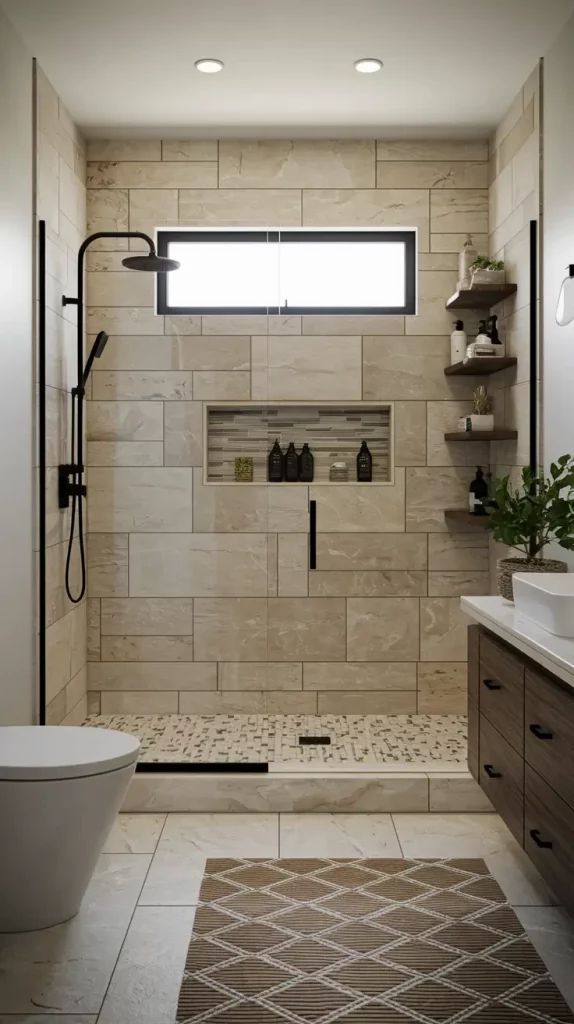
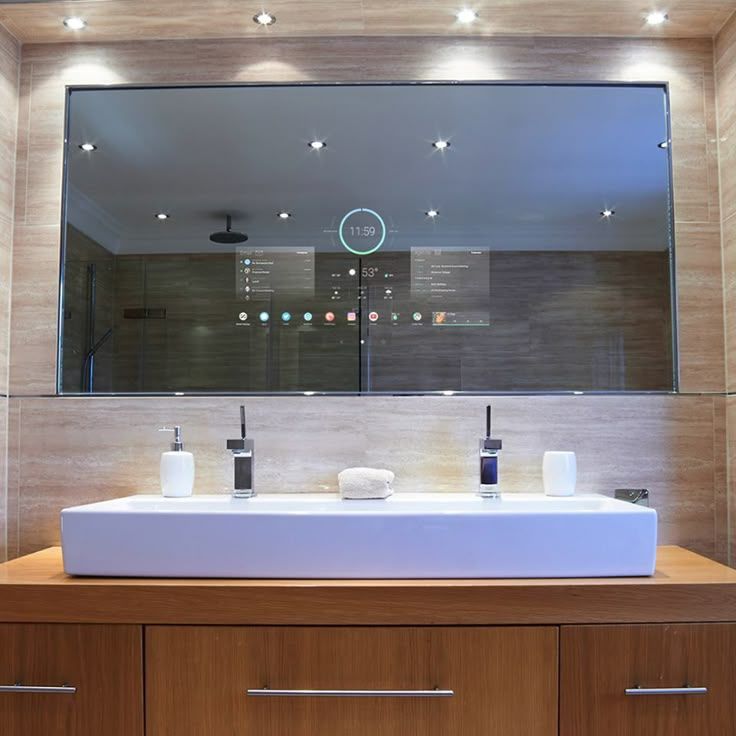
Why space-smart upgrades matter in Indy neighborhoods Compact bathrooms are common in Broad Ripple bungalows, Meridian-Kessler foursquares, Nora ranches, and Carmel Midtown townhomes. A smart plan can make a small bath feel open, bright, and easier to use without a full gut job. Below are proven ideas that fit Indianapolis homes and nearby suburbs, with local permitting notes and links you can check. Bathroom Remodel Custom Tiling Shower Tiles Indianapolis Bathroom Permits & Inspection Checklist Local, non-competing outbound resources for readers: Indianapolis Residential Development Permits Carmel Residential Permits Fishers Permitting and Inspections portal Hamilton County permits information Walk-in showers that open the room A low-threshold walk-in shower instantly frees floor space that a tub takes up and removes visual barriers. For Broad Ripple cottages where baths were added decades ago, converting a dated alcove tub to a curbless or low-curb shower helps with access and makes the room feel larger. Use a single pane of clear glass or a frameless slider to keep sightlines open. Tile choice matters in small showers. Large rectangular wall tiles minimize grout lines and look calm. Add a recessed niche instead of a shelf to keep bottles off counters and out of the walkway. Pair a light grout tone with light tile for an airy look, or match grout to the tile for a more seamless wall. Explore options and photos on your Shower Tiles page. Wall-hung vanities for more floor and storage A wall-hung vanity makes a compact bath feel bigger by exposing more floor tile. The floating effect also aids cleaning. For Meridian-Kessler and Nora homes, pick a vanity width that matches your layout, then add: Deep drawers with organizers for daily items An integrated outlet inside a drawer for hair tools A shallow auxiliary cabinet if you have a blank wall near the door When you float the vanity, run the same floor tile underneath. That visual continuity reads as more square footage. Local note: If you are moving plumbing, expect to pull permits. Check the Indianapolis permit guidance, and Carmel or Fishers resources if you’re north of 96th Street. Large-format tiles make small rooms feel larger In compact bathrooms, large-format floor and wall tiles reduce visual clutter. A 12x24 or 24x24 porcelain tile laid in a simple pattern keeps the eye moving. Floor pattern: Straight or third-offset. Avoid busy mosaics across the entire floor. Shower walls: Run large tiles vertically to make ceilings feel taller in older Indy homes. Grout: Match color to tile for a seamless canvas. See tile ideas that fit this approach: Custom Tiling overview Floor Tiles page Light colors that reflect more daylight Light paint and tile bounce light around the room and photograph well for listings. For Broad Ripple and Meridian-Kessler baths with limited windows: Use soft white or warm gray on the walls. Choose light oak or white finishes for vanities. Add a high-CRI LED vanity fixture and recessed lighting rated for damp locations. If you want contrast, keep it to one accent like a matte-black faucet or pulls. Mirrors and mirrored storage that pull double duty Mirrors do more than reflect faces. They reflect light and extend sightlines, which makes a compact layout feel larger. Consider: Recessed mirrored medicine cabinets for storage without a bulky profile A full-width mirror over a single-sink vanity to expand the visual width LED back-lit mirrors when wall sconces do not fit next to the medicine cabinet Pocket and barn-style doors to save swing space Door swing eats into a small bathroom. A pocket door reclaims clearance and improves flow, especially in narrow hall baths in Carmel townhomes and Fishers newer builds. If a pocket door will conflict with plumbing or wiring, consider an on-wall barn-style door with soft-close hardware. Use solid-core doors for better sound control. Choose lever handles for easier grip. Permitting reminder: Structural changes or moving electrical or plumbing can trigger permits. Point readers to the right office: Indianapolis residential permits, Carmel residential permits, and Fishers permitting portal. Neighborhood snapshots and layout ideas Broad Ripple Older bungalows often have a tight tub alcove and a single window. Swap the tub for a low-curb shower, float a 24–36 inch vanity, and run one large format tile from floor into the shower for a cohesive look. Add a clear glass panel and a recessed niche to keep things tidy. Meridian-Kessler Many homes have taller ceilings. Run vertical tile to emphasize height and use a full-width mirror above a single sink to boost the sense of space. If the door pinches the vanity, convert to a pocket door. Nora Ranch homes can feel dark in the center. Choose a light palette on walls and tile, then add an LED back-lit mirror. A floating vanity plus under-cabinet lighting creates the appearance of more floor area. Carmel Midtown townhomes Maximize storage with recessed medicine cabinets and a shallow linen cabinet over the toilet. Pocket doors work well in these plans since walls are often straight and free of plumbing in the pocket path. Confirm permit needs with Carmel’s residential permits page. Fishers Many newer homes have decent footprints but tight toilet or shower clearances. Go with a frameless slider for the shower and a wall-hung vanity to improve movement. If you plan to relocate plumbing, check Fishers’ OpenGov permitting portal or Hamilton County’s information pages. Quick planning checklist for a small bathroom remodel in Indianapolis Measure the existing clearances and door swing. Decide whether you will keep the tub or convert to a walk-in shower. Pick one large-format tile for the floor and shower walls, then one accent at most. Choose a wall-hung vanity with drawers and plan for an outlet inside. Map mirror storage and lighting early so studs and wiring land in the right spot. Confirm whether permits apply if you move plumbing, add circuits, or alter structure. Use these links for guidance: Indianapolis, Carmel, Fishers, and Hamilton County. Schedule work to minimize downtime and keep one bathroom usable if possible.
January 3, 2026
Planning a kitchen remodel on the north side of Indianapolis? Whether you live in Meridian-Kessler, Broad Ripple, Nora, Downtown Carmel, Village of WestClay, Saxony (Fishers), Downtown Zionsville, or Old Town Noblesville, understanding cost ranges, timelines, and local permit requirements will help you plan confidently and avoid surprises. This guide breaks down realistic Indianapolis kitchen remodel cost 2026 expectations, what drives pricing, how long each phase typically takes, and how homeowners in Carmel, Fishers, Westfield, Zionsville, and Noblesville can stay on budget.
December 21, 2025
Tired of hearing stories about neighbors who finished a dream bathroom, only to get stalled by inspectors in Indianapolis or Carmel? It’s a common scene: a beautiful renovation comes to a halt because of a missing permit or code detail. If you’re planning a bathroom upgrade in north Indianapolis or the neighboring suburbs, knowing the local building rules can save you time, money, and frustration. Whether you live in Noble West or near Zionsville’s Main Street, every city has its own rules about bathroom remodel permits and inspections. Here’s your practical guide to what’s needed, common code topics—like plumbing, wiring, and bathroom ventilation—plus a printable checklist and answers to questions homeowners ask most.
More Posts